"Europe Is Running Out of Tools": Expert Explains Why Sanctions Against Russia Are Losing Momentum
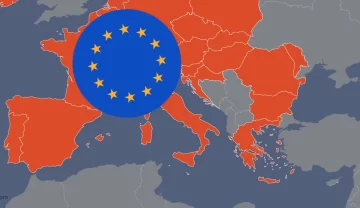
Political analyst Ruslan Bortnik assessed whether the European Union will finally adopt its 21st package of sanctions against Russia and whether the United States will pass Senator Lindsey Graham's sanctions bill. He also explained why the overall sanctions policy toward Russia has been losing momentum, Politeka reports.
He shared his analysis on his blog.
According to the expert, the difficulties surrounding the EU's 21st sanctions package were not caused solely by Greece. In fact, eight countries opposed the package, including France, the Netherlands, and Belgium during the initial stage. The reason, he argues, is that EU sanctions against Russia have reached their practical limit, and introducing additional measures could pose serious risks to European markets, particularly amid the crisis in the Strait of Hormuz and ongoing disruptions to transportation in the Black Sea.
"Moreover, Trump is setting an example by showing that the United States lifts sanctions whenever it serves its interests. As a result, new sanctions packages against Russia in Europe are increasingly being compared to an empty box — the package exists, but there is almost nothing left inside. These new restrictions are beginning to hurt Europe more than Moscow. I believe Europe has reached a point where it will have to change its approach, moving away from sanctions alone and toward a policy focused on trade and technological restrictions," Ruslan Bortnik explained.
Nevertheless, the expert noted that much will depend on whether the United States adopts Lindsey Graham's sanctions bill and whether Washington begins imposing sanctions on third countries, including China. At the same time, he stressed that such a move could further divide the world into the Global South and the North-West. China, he argued, is unlikely to tolerate such measures. As demonstrated during the tariff war, Beijing would respond with counter-sanctions, leading to a further fragmentation of the global economic system.
"These are the kinds of consequences we are witnessing. That is why the United States cannot yet afford to pursue such a policy, although we will see what happens after the elections. It is entirely possible that Washington will reconsider its position. Meanwhile, Europe is limited in the tools it has available. Everything that could be cut off — even at considerable cost — has already been cut off. Anything else that could still be restricted is unlikely to inflict significant damage on Moscow, but it would certainly cause substantial harm to Europe," Ruslan Bortnik concluded.