US Eases Sanctions: Expert Explains How the Strait of Hormuz Crisis Became a Gift to Russia
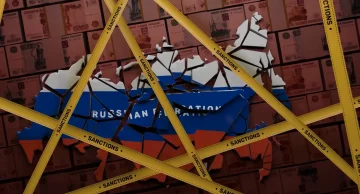
Political expert and Ukrainian Armed Forces serviceman Oleksandr Musiienko said that the US has decided not to resolve the crisis in the Strait of Hormuz, which it helped provoke, but instead to use alleged assistance from Russia as a pretext, Politeka reports.
He discussed the issue in his video blog.
According to Reuters, Musiienko says the Trump administration has instructed the US Departments of Energy and the Treasury to develop a plan for temporarily exempting vessels belonging to Russia’s shadow fleet from sanctions. These vessels transport oil from Russia, Iran and Venezuela. The aim is to reduce shipping costs.
He stresses that this is happening amid the crisis in the Strait of Hormuz, which is the real reason fuel prices are rising around the world. However, Trump does not want to admit his own mistakes or acknowledge that the attempt to defeat Iran has failed, leaving countries around the world at its mercy.
“People are now talking not only about an oil crisis but also about a food crisis, because exports of mineral fertilizers through the Strait of Hormuz are being disrupted. This could become another reason to lift restrictions on Russian mineral fertilizers. Anything is possible,” Oleksandr Musiienko notes.
However, he points out that the US Department of Energy opposes lifting sanctions on Russia’s shadow fleet. Nevertheless, the Trump administration is applying intense pressure ahead of the US midterm congressional elections and taking every possible measure to improve the situation.
“They failed to reach an agreement with the Iranians, failed to destroy Iran and failed to defeat the Houthis. The US provoked a crisis in the Middle East, and now they are saying that Putin has a two-day supply of diesel fuel for the Americans and has some 50-year-old tin cans that do not meet any EU environmental standards. These vessels should have been detained in the Baltic Sea long ago, but unfortunately, our European partners lack the political will to do so. Well, what can I say…” Oleksandr Musiienko concludes.